

Manufacturing has been a part of the American economy since the first factory was built on U.S. soil in 1790. Since that time, manufacturing has changed substantially. From Eli Whitney’s cotton gin to the development of the assembly line for Henry Ford’s Model T, the industry has evolved to meet society’s needs. Manufacturing continues to advance as it serves diverse industries worldwide.
To better understand the processes involved in manufacturing and how this industry evolves to meet consumer demand, let’s take a closer look at the types of manufacturing processes and how they differ depending on what is being produced.
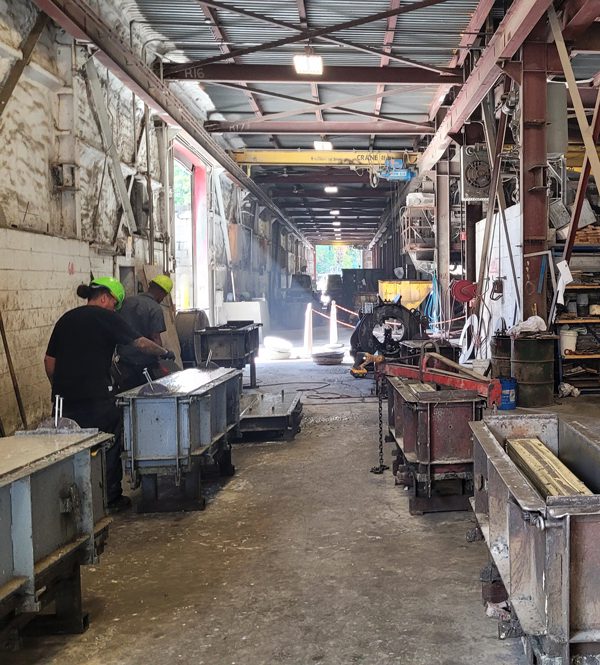
What Is Manufacturing?
Let’s start our discussion of manufacturing processes with a general definition.
Manufacturing is the process of taking raw materials and converting them into finished products through tools, human labor, machinery and chemical processes. The amount of manufacturing is usually a good barometer of a country’s economic health. According to the National Association of Manufacturers, “Manufacturers contributed over $2.95 trillion at the annual rate to the U.S. economy in Q3 2025.”
Explore the Manufacturing Processes
Since the Industrial Revolution, manufacturing has been known as the backbone of modern industry. While its production methods are constantly evolving, including the use of artificial intelligence, several key processes will help you understand the industry.
Repetitive Manufacturing
The production of goods using the Repetitive Manufacturing process is familiar to many Americans, as it is what most people envision when they think of manufacturing: an assembly line where materials move through a fixed sequence to produce standardized goods.
This form of processing is often used in manufacturing automobiles or electronic equipment and can be used to create individual parts of a larger unit before they move on to another assembly line to continue the process at the next step in production.
Discrete Manufacturing
In direct opposition to Repetitive Manufacturing is Discrete Manufacturing, which produces individual products or groups of products that are not identical. Since it does not require identical products, this type of production is highly customizable and used to produce items for complex products such as those used in the aerospace industry, the custom furniture industry and the defense industry. When using this method, the product is built one piece at a time or in small batches.
Process Manufacturing
Batch Processing and Continuous Processing are the two main types of Process Manufacturing. Often used in the food or beverage industry, Batch Processing is based on a specific standard that uses a recipe or formula. The goods are produced in specific quantities, or “batches,” before switching to a different product or formulation.
Continuous Processing differs in that it is heavily used in the oil and gas industry when drilling for natural resources. Rather than being produced in batches, products are produced in a continuous flow, often around the clock.
Job Shop Manufacturing
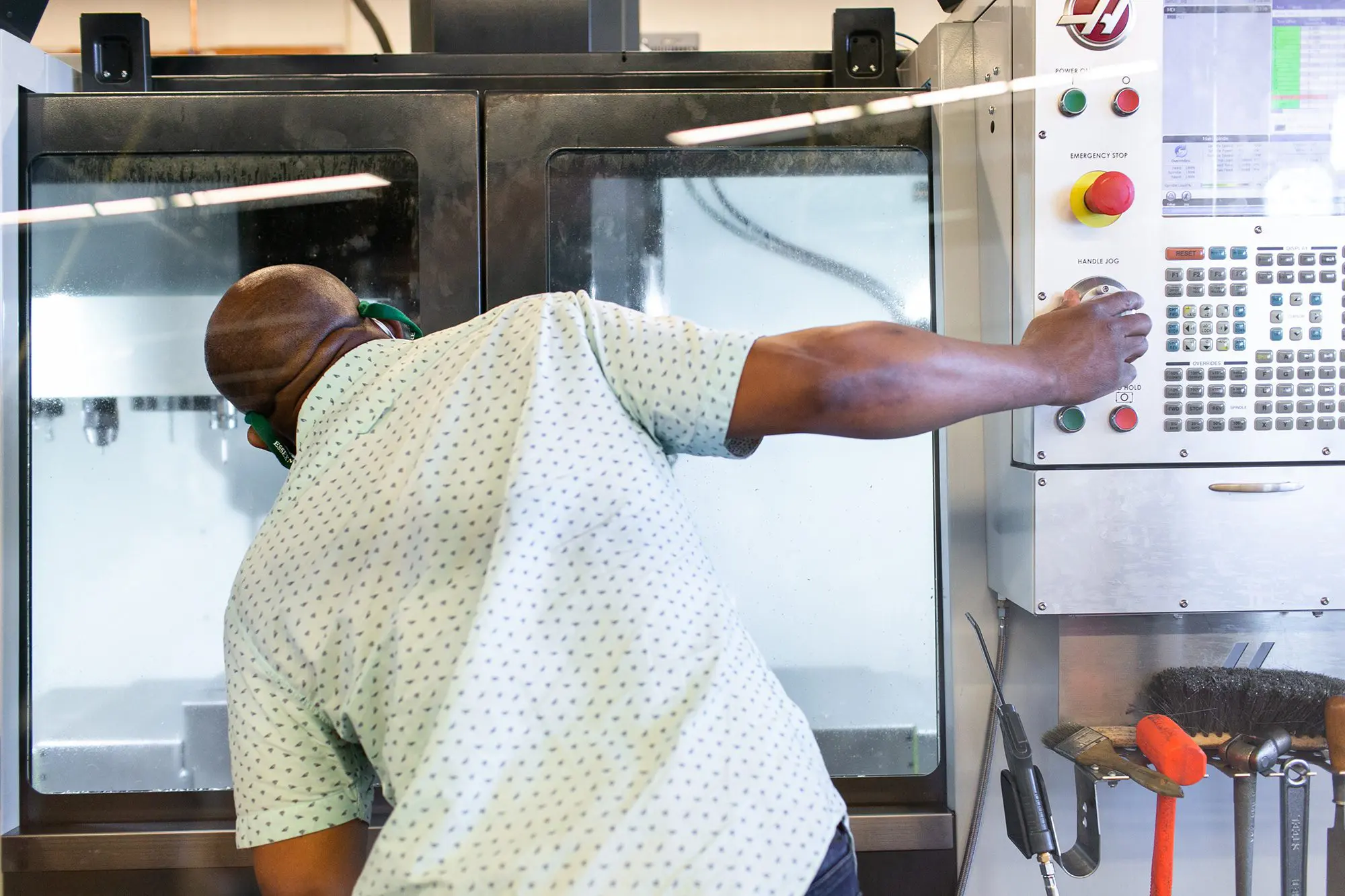
Unlike Process Manufacturing, Job Shop Manufacturing is intended for continuous or repetitive output to meet specific order requirements. The production of these customized goods often requires converting existing equipment into a more usable structure to tailor to the individual products. The workflow uses specialized workstations rather than a fixed assembly line. While used in many industries, machine shops often use this method to create specialized gears, shafts or brackets.
Mixed-Mode Manufacturing
Mixed-Mode Manufacturing refers to any production environment that uses more than one manufacturing mode under the same roof or within the same system.
Modern manufacturing remains the backbone of the U.S. economy, constantly evolving to meet global demand through a variety of key processes, including Repetitive, Discrete, Process, Job Shop, and Mixed-Mode Manufacturing. To gain a deeper understanding of this vital industry or to enroll in free manufacturing training classes, visit AMTEP for more information.