

By 2030, the National Association of Manufacturers projects that the U.S. will face a critical skills gap with 2.1 million jobs remaining unfilled, potentially costing the economy up to $1 trillion annually.
The skills gap isn’t just about finding people to run machines. It’s a modern crisis rooted in the need for highly skilled technicians fluent in robotics, AI, and data analytics. Traditional thinking won’t fix this. Let’s review what the skills gap is, why it’s happening and what the best strategy may be for bridging the gap.

What Is The Skills Gap?
A skills gap occurs when a critical demand for technical proficiency exists within an industry, but the necessary expertise is missing from the workforce. The specific abilities in the manufacturing industry that are in short supply are wide-ranging, from the practical knowledge required for servicing vital machinery to the complex coding skills needed to run its software. This problem is particularly pronounced in the manufacturing sector due to the highly specialized nature of its operations and the rapid adoption of advanced, high-tech systems.
According to reports from The Manufacturing Institute, the manufacturing field continues to grapple with a persistent shortage of skilled workers, with 70% of manufacturers struggling to secure the workforce they need.
Why Aren’t There Enough Skilled Workers?
The reasons behind the skills gap in manufacturing are multifaceted, but they fundamentally stem from several converging issues: the mass retirement of experienced experts who take institutional knowledge with them, the increasing complexity of modern machinery and processes, and a dwindling supply of new workers who possess the necessary specialized technical skills.
Changing Demographics
The mass retirement of experienced workers creates a loss of institutional knowledge, leaving new entrants, who often lack the specific technical skills required for today’s advanced manufacturing, struggling to fill the gap.
Digitization
Demographics are not the only thing that is changing in manufacturing. The retirement of veteran employees, coupled with the increasingly complex technological demands of modern manufacturing, leaves the incoming workforce challenged to acquire the necessary advanced technical proficiency in time.
Misaligned Training and Educational Programs
Education and training programs are essential for onboarding employees and disseminating information about new processes. However, traditional classroom settings often lack the hands-on experience necessary for the plant floor. This forces frontline workers to rely on outdated, paper-based instructions or to interrupt Subject Matter Experts (SMEs) to bridge knowledge gaps.
Declining Interest in Trades
A societal shift away from trades, favoring four-year university degrees, has directly reduced the pool of young talent with the skills needed for today’s manufacturing and maintenance jobs.
Key Strategies for Bridging the Skills Gap
Solutions and strategies to bridge this growing skills gap come in many forms.
Upskilling Current Workforce
Manufacturing leaders should prioritize education and training for current employees, utilizing concepts such as on-the-job training, online courses, certifications and paid training sessions.
Mentorship Programs
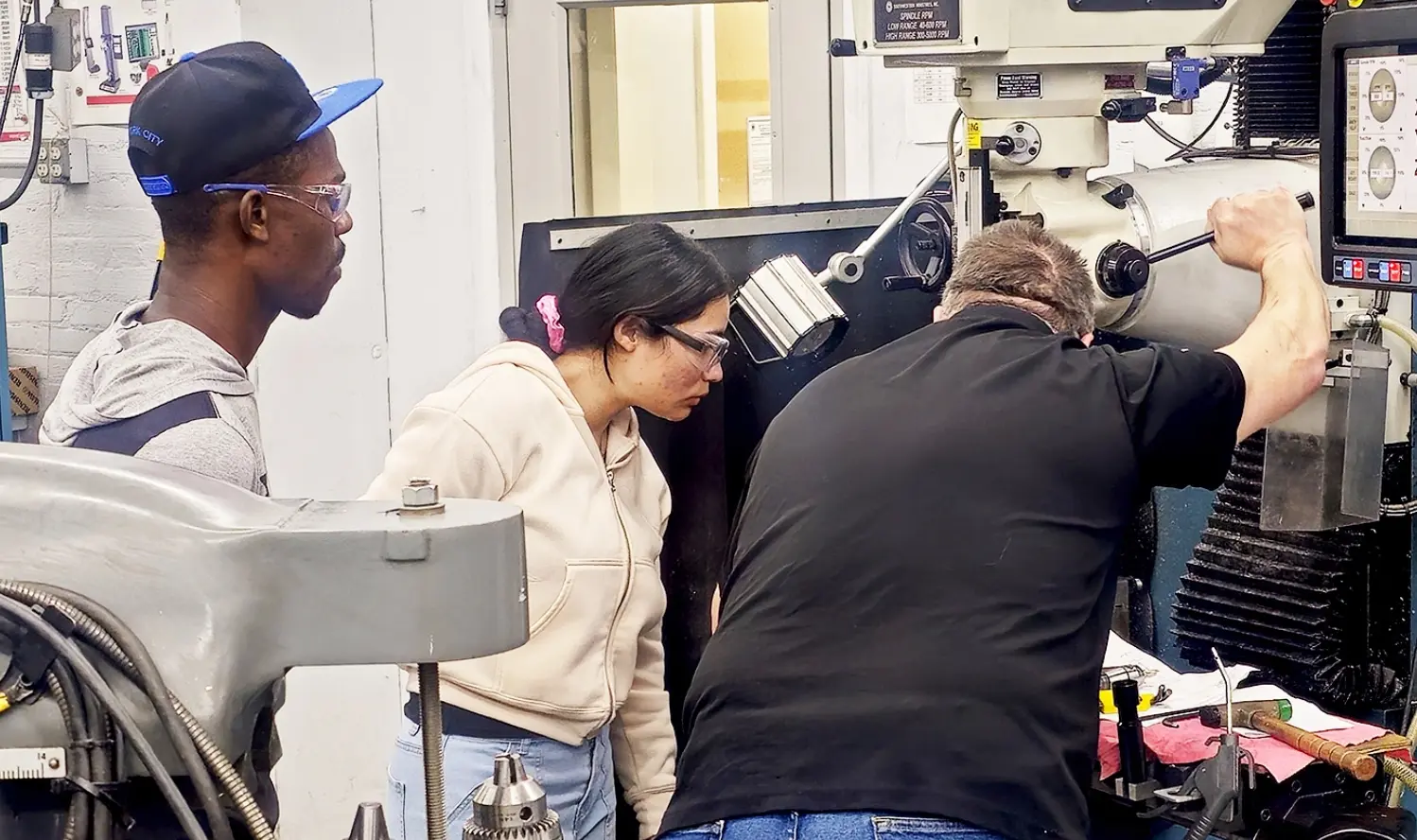
Mentorship programs are emerging as a powerful strategy to close the manufacturing skills gap, simultaneously attracting new talent and equipping incoming workers with highly sought-after, industry-specific expertise. Mentorship programs that provide financial assistance for training, or those linked to high schools or trade schools, help guide young adults into lucrative careers in the manufacturing industry.
Seek Out Diverse Sources for Talent
A workforce does not need to come from the postsecondary sector. Consider other sources of talent, such as veterans, technology schools, trade schools, women and minorities.
A Final Note
The manufacturing skills gap is a serious challenge, but it is not insurmountable. By embracing modern solutions such as upskilling, mentorship, and diverse talent, the manufacturing industry can build the skilled workforce of the future.
The time to act is now. If you are looking to advance your career or train your team in the in-demand skills of modern manufacturing, seek out the proven, industry-aligned training programs offered by organizations such as AMTEP (Advanced Manufacturing Training and Expansion Program) and NAMC. Invest in the right training today to secure a more innovative and competitive tomorrow.