

Over the last few years, more and more Americans have begun to understand the importance of the supply chain in manufacturing. No one wants to be told that the product they need is out of stock or won’t be delivered for weeks. Our society has become accustomed to the immediate gratification of getting the products we want and need in a timely manner, and in some cases, with two-day delivery! Without a strong supply chain, this miracle of modern manufacturing would not be possible.
Let’s review what the supply chain is and its key elements.
What Is the Manufacturing Supply Chain?
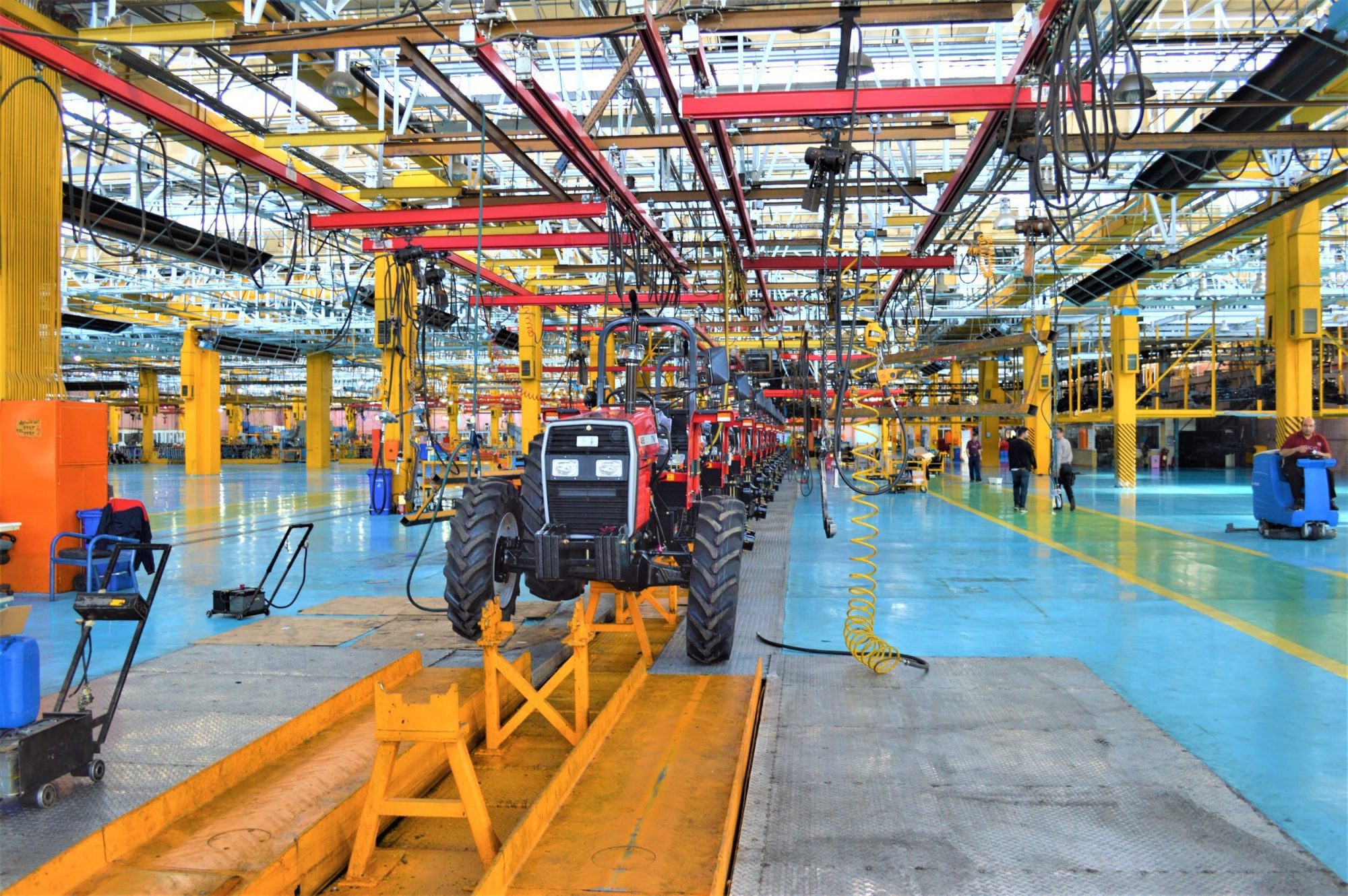
The manufacturing supply chain is an intricate ecosystem of people, resources, and data that delivers finished goods to consumers. It serves as the essential architecture for managing the entire lifecycle of a product, from raw material extraction to final delivery. These processes include raw materials procurement, production, quality control, distribution and post-sales service.
In short, the supply chain is the behind-the-scenes actor that takes the product from raw materials to the final product and delivers it to the consumer’s door. Without a functioning supply chain, there can be cascading negative consequences, from empty shelves to product shortages and from skyrocketing prices to an overreaction from wholesalers. The results can be catastrophic, as was evident during the 2020 toilet paper shortage.

Manufacturing Supply Chain Explained
The supply chain is sometimes mistakenly thought of as linear, when in reality it should be considered a continuous loop from developing a strategy and securing the materials needed to making and delivering the product. The final link in the circle involves handling defective, unwanted, or end-of-life products.
Procurement
Procurement is the first part of the supply chain, where raw materials are sourced for your product, including steel, lumber, plastic, and fabric, to make the products we all use every day. Vendors provide these materials for products ranging from our running sneakers to our smartphones. The key to this step is to find the balance between high-quality materials and price to ensure that they can satisfy customer demands and generate profit.
Production
This step in the supply chain process involves taking raw materials and transforming them into sellable goods. For example, taking the fabric, plastic and components of a sneaker and putting them into a product that you will find in a store. This is the largest step in the process, so manufacturers are always looking for modernization and techniques that result in better products and more efficient production.
Product Distribution
One of the final legs of the supply chain process is getting the products to where they need to go, which could include a warehouse, a retail location, a distributor or directly to customers. Distribution slowdowns are often felt most harshly by consumers, so manufacturing companies try to improve delivery times.
One last step that is often overlooked is handling defective, unwanted, or end-of-life products. This step includes recycling, refurbishing and customer support for items that were defective.
The efficiency of our modern world relies entirely on the skilled professionals who keep these complex networks moving. As manufacturing continues to evolve with new technologies and smarter logistics, the demand for a trained workforce has never been higher. If you are ready to start a rewarding career and become a vital part of this “modern miracle,” now is the perfect time to gain the skills you need. Visit the AMTEP website today to learn more about our free comprehensive manufacturing training classes and take the first step toward a future in this essential industry.