

The American economy faces many challenges, including rising inflation, a federal budget deficit, and affordability issues for lower and middle-income households. Conditions in the manufacturing industry are contributing to economic challenges. One such condition is the often-discussed manufacturing skills gap.
Let’s explore what this is, what factors are leading to the skills game and actions that can be taken to overcome this situation.
 What is the Manufacturing Skills Gap?
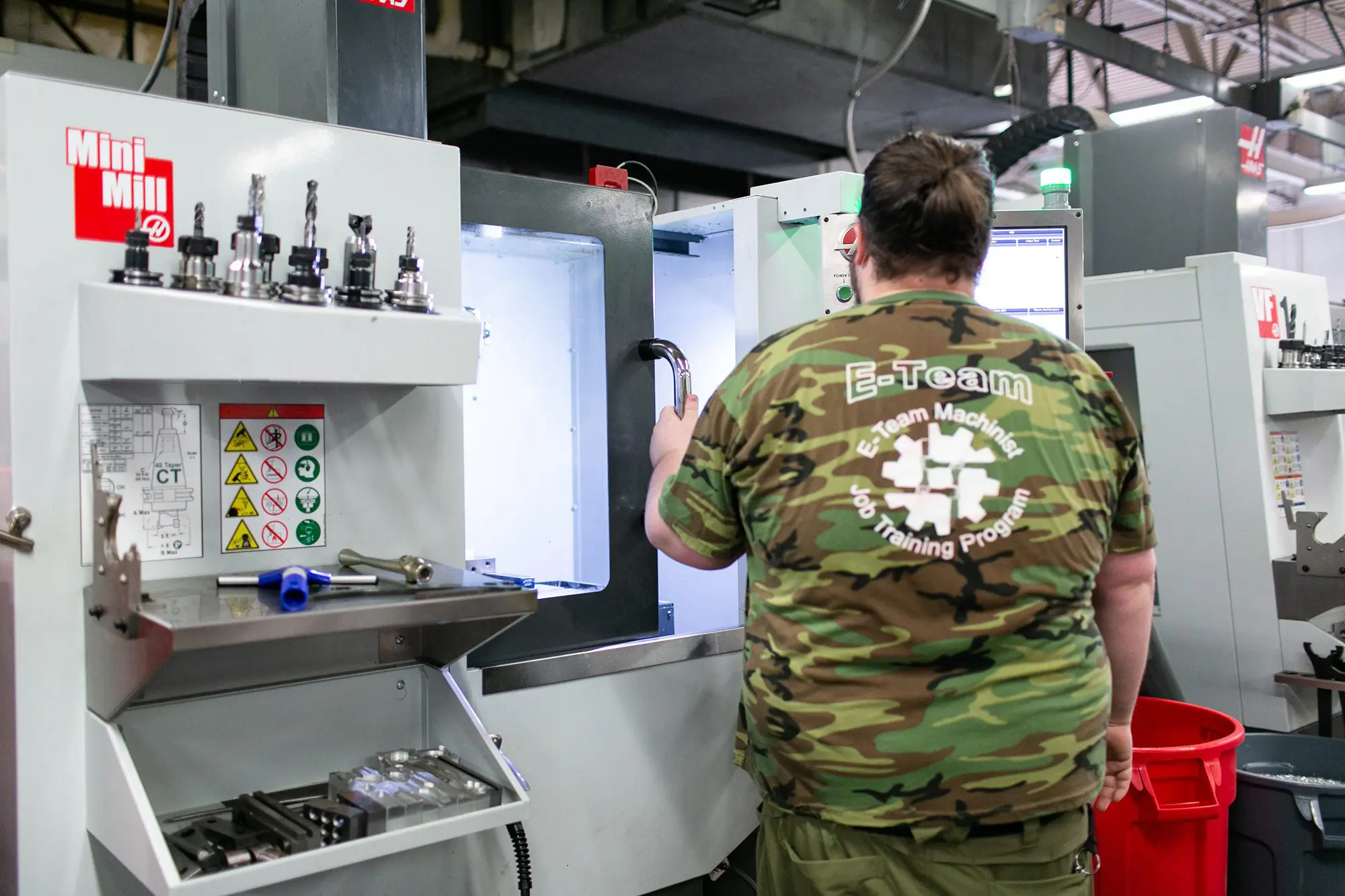 What is the Manufacturing Skills Gap?
 The skills gap refers to the disconnect between the skills and knowledge employers in the manufacturing industry require and those possessed by the current workforce. According to a new study by Deloitte and The Manufacturing Institute, the manufacturing skills gap in the U.S. could result in 2.1 million unfilled jobs by 2030, according to the workforce development and education partner of the NAM. The cost of those missing jobs could total $1 trillion in 2030 alone.
What Factors Are Contributing to the Skills Gap?
There are several factors contributing to this skills gap in the manufacturing industry, including: an aging workforce, advances in technology, a decrease in population growth, changes in the view of manufacturing career paths and the evolving nature of manufacturing careers.
Another influence fueling theskills gap is the ongoing impact of the COVID-19 pandemic. The Manufacturing Institute reports that about 1.4 million U.S. manufacturing jobs were lost during the early days of the pandemic, setting back the manufacturing labor force by more than a decade. While the industry has recouped about 63% of the jobs lost during the first few years of the pandemic, there are still a near-record number of job openings in the industry to this day.
AMTEP and other manufacturing training programs are attempting to counteract these variable by educating the public about the nature of manufacturing, the opportunities for people choosing to go into the industry, resolving ongoing misconceptions about the industry and providing training (many free) to a new generation of workers.
How Can We Overcome the Skills Gap?
 How Can We Overcome the Skills Gap?
 Overcoming the skills gap may take time, but there are multiple opportunities for organizations and businesses to support the manufacturing industry and the vital role it plays in our nation’s economy. Some of the ways the skills gap can be resolved include:
- Investing in the current workforce to help them maintain certificates and licensing
- Providing free and ongoing training that allows workers to advance up the ladder
- Partnering with the community colleges and trade schools
- Investing in apprenticeship programs like the Apprenticeship Program at AMTEP
- Upskilling employees looking to advance
- Keeping up with industry changes
- Embracing new technology and training associated with it
Want to learn more about AMTEP and Northeast Advanced Manufacturing Consortium training and apprenticeship opportunities? Explore all free classes and career pathways that will help you have a part in our nation’s economic recovery.