

If you are considering a career in manufacturing, it’s a good idea to become familiar with the various manufacturing processes, including two of the most common types: discrete and process manufacturing. One produces distinct items, like the device you are reading this on, while the other transforms raw materials for use in formulas or recipes.
Let’s explore the key differences between the two manufacturing types, including product output, production methods, and measurement and unit tracking for each.
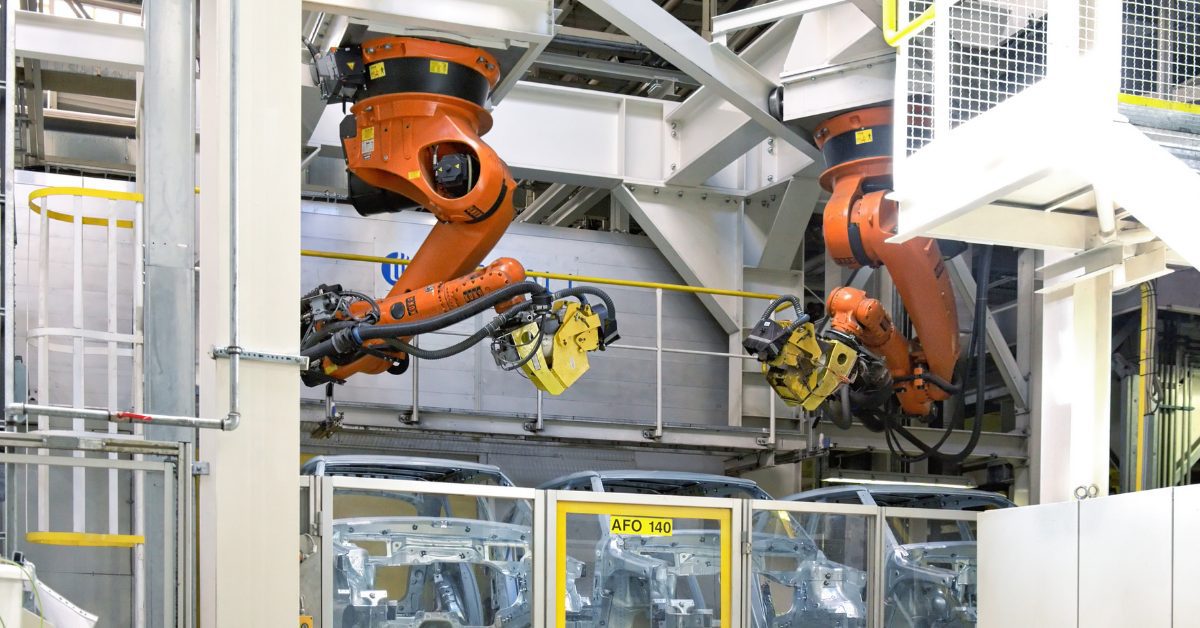
What is Discrete Manufacturing?
One key feature of discrete manufacturing is that products are made in separate units that can be assembled and disassembled, such as cars, computers, furniture, and electronics. The final product can be taken apart and broken pieces can be replaced or repaired.
Another key tenet in discrete manufacturing is the assembly sequence defined by a Bill of Materials (BOM). In many discrete manufacturing workflows, products can be partially disassembled or reassembled. Measurement in discrete manufacturing is counted in units, pieces, or batches, and tracked via serial numbers, part numbers, and individual units.
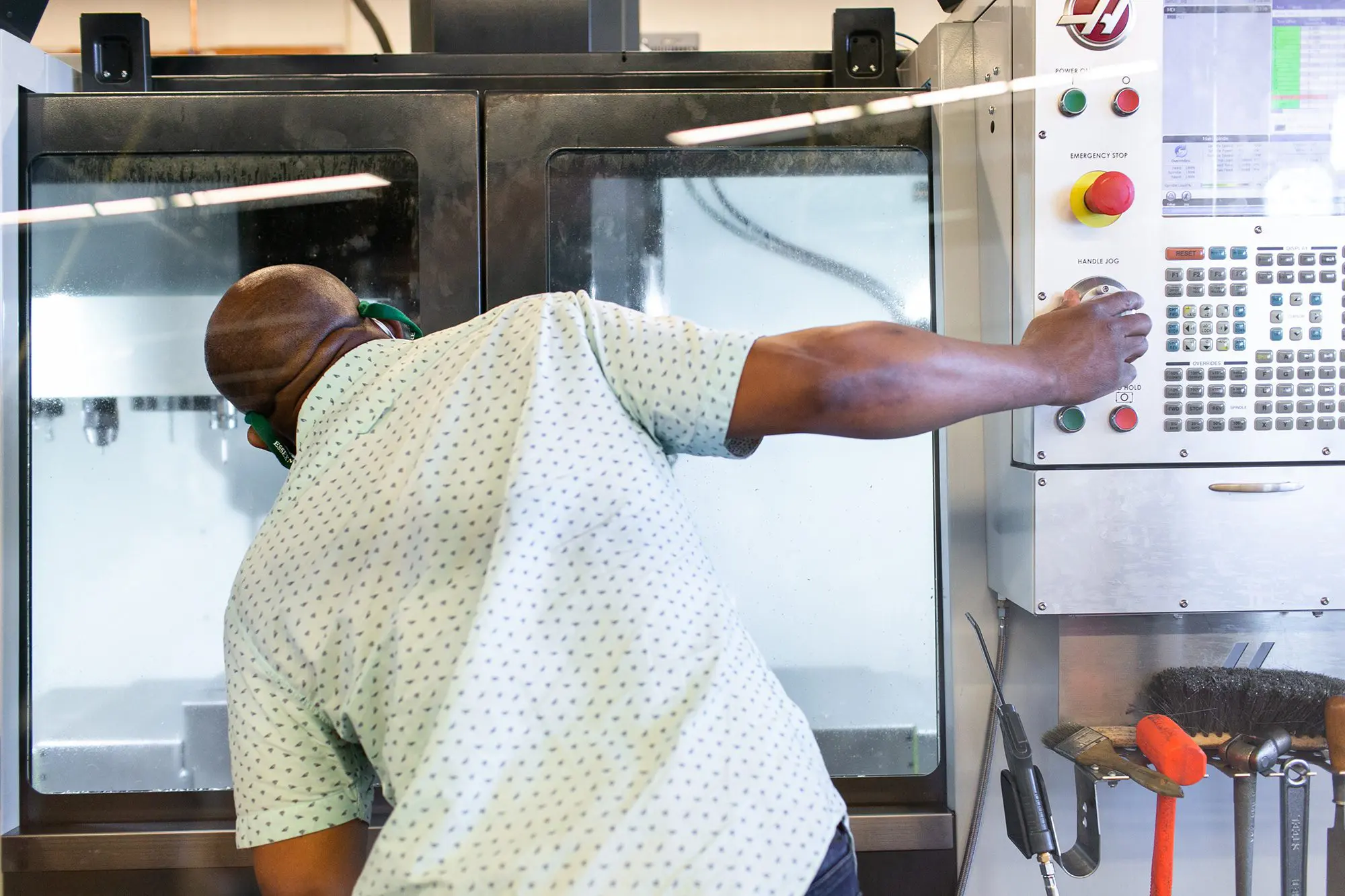
What is Process Manufacturing?
Process manufacturing involves using a recipe or formula to combine raw materials, supplies, or ingredients into the final product. Bulk goods, liquids, or gases are often the products of this type of manufacturing. Examples include pharmaceuticals, paint, and food. Unlike discrete manufacturing, where products can be assembled and disassembled, process manufacturing is irreversible. The finished products or goods cannot be broken down into original ingredients.
The production method for process manufacturing is also very different from that for discrete manufacturing; rather than putting pieces of a product together, the ingredients are mixed, boiled, or chemically altered to create the desired product. Measurement and tracking of the product also differ: products are measured by volume, weight, or mass (e.g., gallons, liters, pounds), and tracking happens via batch numbers, lot codes, and expiration dates.
A Final Word
The choice between these two methods of manufacturing comes down to whether you are assembling parts or blending ingredients. Discrete manufacturing is all about creating distinct, individual items, like automobiles or smartphones, that are put together using screws, nuts, and fixtures, meaning they can usually be taken apart later on. Process manufacturing, on the other hand, produces goods such as paint, plastics, or food that are mixed in batches and cannot be broken down into individual components. Because these processes are so fundamentally different, discrete manufacturers rely on a “bill of materials” to track their physical parts. In contrast, process manufacturers depend on recipes and formulas to manage their irreversible blends. To learn more about these manufacturing paths and how you can play a vital role in the industry, visit AMTEP or NAMC.